

Exploring Moorilla Wine Estate: Tasmania’s Iconic Temple of Wine and Art
Welcome back, sorcerers of wine! Today, we are diving deep into the cool, windswept, and utterly avant-garde world of Moorilla Wine Estate. Perched on the banks of the Derwent River just north of Hobart in lutruwita (Tasmania), Moorilla is far more than just a winery. It is a cultural institution, home to the world-famous MONA (Museum of Old and New Art) –
(click on image below to take you to the Museum)

and a pioneer of fine, small-batch Tasmanian winemaking.
Grab a glass, settle in, and let me take you through a journey of the vines, history, and legendary bottles of Moorilla.
Vineyards and Planted Hectares: The Terroir of Extremes

Moorilla operates across two distinct, meticulously managed cool-climate vineyard sites in Tasmania, capturing the wild diversity of the island’s geography:

- The Moorilla Estate Vineyard (Derwent Valley): Planted originally in 1958 by the estate’s founder on a small peninsula (historically known as Frying Pan Island) in the Derwent River, this site features around 3.3 hectares of vines. The soils here are a complex, wind-strewn mosaic of silty clay, sand, and alluvial deposits sitting atop ancient siltstone bedrock. It is battered by icy river breezes, forcing the vines to struggle and yield grapes of incredible concentration and structural acidity.
- The St Matthias Vineyard (Tamar Valley): Acquired later to expand Moorilla’s cool-climate scope, this northern Tasmanian vineyard spans approximately 10 hectares of planted vines. Sloping down toward the Tamar River, the site ranges from 10 to 115 meters above sea level and boasts ancient volcanic soils, clay loams, and granite outcrops.
Combined, these roughly 13.3 hectares (or 13 Twickenham rugby pitches ) of total planted vines form the bedrock of Moorilla’s ultra-premium output, focusing on varieties like Riesling, Pinot Noir, Chardonnay, and Sauvignon Blanc.
A Brief History of Ownership: From Textiles to Gambling and Art
Moorilla’s history is a fascinating tale of visionary passion, financial trials, and eccentric brilliance.
- The Pioneer Era (1958–1990s): Moorilla was established in 1958 by Claudio Alcorso, an Italian-born Australian textile merchant (and creator of the Sheridan brand). Alcorso had a vision to introduce European wine culture and modern modernist architecture to Tasmania. He planted the original Riesling vines and turned Moorilla into an intellectual and artistic hub. However, managing a boutique cool-climate winery in isolation proved economically challenging, and the estate eventually struck heavy financial turbulence.
- The Maverick Era (1995–Present): In 1995, eccentric professional gambler, mathematical genius, and art collector David Walsh purchased the estate on a whim. Walsh initially bought it for its striking Roy Grounds-designed modernist architecture and his love for its Pinot Noir. Walsh transformed the property into the staging ground for MONA—a sprawling, subterranean museum of transgressive art. Under Walsh’s ownership, the winery was rebuilt into a gravity-fed marvel, and in 2007, he brought in Canadian-born winemaker Conor van der Reest. Walsh’s directive to van der Reest was simple: “Make stupendous wines.” Today, Moorilla stands as a beacon of uncompromising, site-expressive Tasmanian winemaking.
Moorilla Wine Lineup: Tasting Notes & Food Pairings
Moorilla crafts its wines across three distinct tiers:
Praxis (accessible, quaffable, fresh),
Muse (complex, textured, site-driven)
Cloth Label (ultra-rare, hyper-experimental, single-block icons).
Discover Tasmania wines @ Moorilla
Have you ever had the chance to taste a cool-climate Tasmanian Pinot Noir, or is Moorilla currently sitting at the top of your ultimate wine-travel bucket list?
ITS NOT JUST ABOUT ME ! ITS ALL ABOUT THE GRAPES !
WHAT YOU SHOULD EXPECT ↓
Pinot Noir: Crown jewel of Moorilla (especially under the Muse and Cloth Label tiers), offering deep red fruit, forest floor, and silky tannins.
Chardonnay: Elegant, mineral-driven, and crisp, benefiting immensely from Tasmania’s cool southern climate.
Riesling & Sauvignon Blanc: Fresh, aromatic whites with bracing natural acidity.
Syrah / Cabernet Sauvignon: Cooler-climate expressions of reds that lean into spice, black pepper. Lighter, elegant structures rather than heavy jamminess.


What the winemaker wants you to try ↑↓
1. Praxis Riesling
- Vintage: Current Release (typically 2023/2024)
- Appearance: Pale straw with lime-green highlights.
- Aroma:crisp green apple, kaffir lime leaf, wet slate, and white florals.
- Palate: Bone-dry, good acidity, citrus pith and a mineral crunch.
- Food Pairing: Pan-seared Tasmanian scallops with a splash of finger lime and brown butter.
2. Praxis Pinot Noir
- Vintage: Current Release (typically 2022/2023)
- Appearance: ruby red
- Aroma: Red cherries, raspberries and a touch of baking spices.
- Palate: Light-to-medium-bodied, red berry fruit, silky tannins and a lively, mouth-watering finish.
- Food Pairing: Crispy-skin duck breast with a tart cherry reduction and roasted root vegetables.
3. St Matthias Vineyard ‘Muse’ Extra Brut Sparkling
- Vintage:
- Appearance: Brilliant gold
- Aroma: Toasted brioche, roasted hazelnuts, green pear skin, and preserved lemons.
- Palate: Creamy mousse Layers of citrus curd, baked pastry, and a dry, chalky, mouth-cleansing acidity.
- Food Pairing: Freshly shucked Pacific oysters with a mignonette dressing.


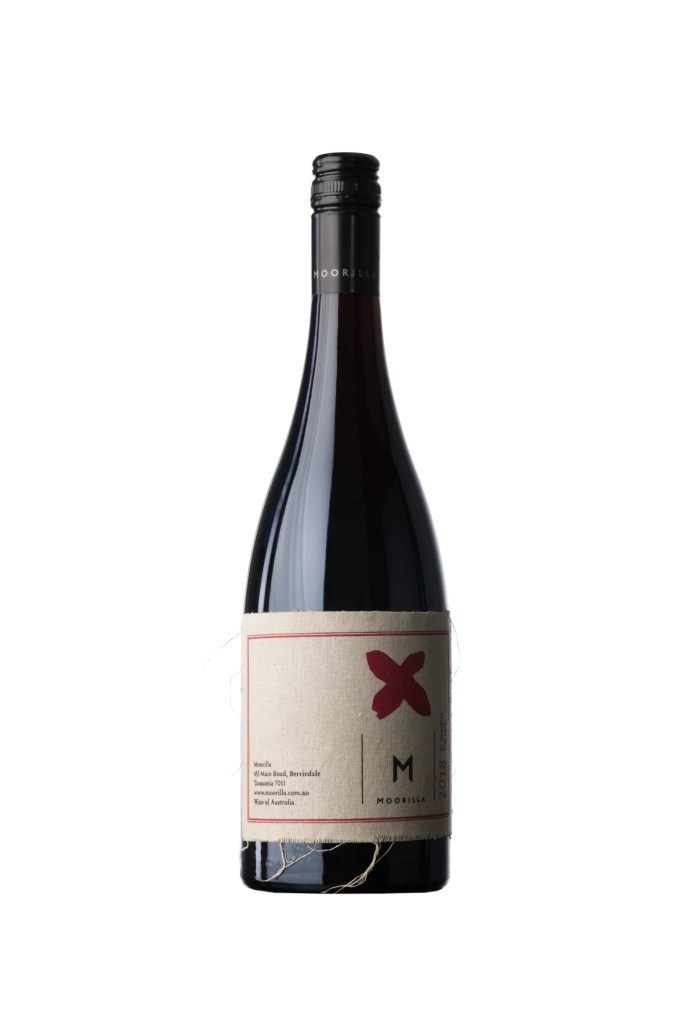
4. Moorilla Vineyard ‘Muse’ Chardonnay
- Vintage: Current Release
- Appearance: golden straw colour
- Aroma: Smoked almonds, grilled peach, lemon curd, and a touch of flint/gunpowder reduction.
- Palate:
Good acidity, ripe stone fruit and lemon citrus are enjoyed with touches of French oak spice and a long, saline finish. - Food Pairing: Crayfish grilled over charcoal with garlic herb butter.
5. Moorilla Vineyard ‘Muse’ Pinot Noir
- Vintage: Current Release (e.g., 2017/2018)
- Appearance: Deep, crimson.
- Aroma: Dark cherries, pomegranate, dried thyme, earthy beetroot notes, and oak smoke.
- Palate: Concentrated and structured tannins to include for a dark red fruit & savory umami
- Food Pairing: Slow-roasted lamb shoulder with rosemary, garlic, and wild mushroom risotto.
6. Cloth Label Syrah
- Vintage: Rare allocation releases
- Appearance: violet-black.
- Aroma: Blackberries, cracked black peppercorns, violets, and noticible minerality.
- Palate: Dark berried fruit with savoury tapenade, good tannins, and a peppery long finish
- Food Pairing: Venison loin crusted in cracked pepper with a juniper berry jus.
Information you always thought you didn’t need to know but actually do !
- Gravity-Fed Innovation: The state-of-the-art winery built during the MONA expansion utilizes a gravity-flow design, minimizing the need for harsh mechanical pumping and preserving the delicate aromatics and structural integrity of the fragile Tasmanian fruit. Gives the wine the elegance , finesse and grown up experience you expect!
- Moo Brew Synergy: Sharing grounds with Moorilla is Moo Brew, David Walsh’s boutique craft brewery (instantly recognizable by its iconic bottle labels designed by Australian artists). It adds another dimension of craft beverage production to the peninsula.
- An Unmatched Immersive Experience: Visiting Moorilla is not a standard cellar door trip. Guests can arrive via high-speed catamaran directly from Hobart’s waterfront, walk past subterranean art galleries, dine at world-class restaurants on “living tables” embedded with live herbs, and taste wines shaped by one of the southern hemisphere’s most eccentric and brilliant creative minds.
So what did i make of it !


Standing at the absolute edge of the Derwent River at Moorilla Wine Estate, watching the icy grey water ripple beneath a heavy Tasmanian sky – it feels like time is taking a deep intake of breath ! When I visited the estate it was a crisp, calm and serene afternoon – not something i expected. The air smelt a clean eucalyptus scent, a damp earth feeling, and a recent downpoir added to the senses — taking you away from modern life.
Mona , in effect , literally takes you down monolithic steps and forces you to comment on why art is art.


In almost the same moment you can be drinking a mineral monster of a Pinot Noir. I realized that Moorilla is not simply a winery or a museum. You can walk through nature and think about things, reflect and wonder. Something you don’t normally get from everyday wineries. You can watch the sun setting over the vines as you drink and chat with friends.
This visit was a seminal moment in my life because it highlighted the need to slow down and take in stuff you sometimes miss. Enjoy the view, look at the waters edge and see birds flying past. Commuting on public transport, road rage and 9-5 hum-drum is worlds away. Feel Alive and be in the moment. Slow down and enjoy !
Not many places do this Moorilla is one of those that will affect you for long term!


